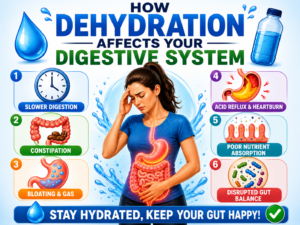
Water is essential for every function in the human body, especially digestion. While many people know dehydration can cause tiredness or headaches, few realize that it can also have a significant impact on digestive health. Your digestive system depends on adequate hydration to break down food, absorb nutrients, and move waste smoothly through the intestines.
When your body does not receive enough water, digestion slows down, increasing the risk of constipation, bloating, acidity, and other gastrointestinal problems. Understanding the connection between hydration and digestion can help you maintain better gut health and prevent unnecessary digestive discomfort.
If digestive symptoms become persistent, consulting a gastroenterologist in Surat can help identify the underlying cause and provide the right treatment.
Why Water Is Important for Digestion
Water plays an important role throughout the digestive process. From the moment you begin eating until waste leaves your body, hydration supports every stage.
Water helps by:
- Breaking down food into smaller particles
- Supporting saliva production
- Helping digestive enzymes function effectively
- Absorbing nutrients into the bloodstream
- Softening stool for easier bowel movements
- Removing waste and toxins from the body
Without enough water, these natural digestive functions become less efficient.
What Happens When You Become Dehydrated?
Dehydration occurs when your body loses more fluids than it takes in. Even mild dehydration can affect the digestive system.
Common causes of dehydration include:
- Not drinking enough water
- Excessive sweating
- Hot weather
- Vomiting or diarrhea
- Drinking too much caffeine or alcohol
- Intense physical activity
As dehydration increases, your digestive system begins to slow down, making it difficult for food to move smoothly through the intestines.
Digestive Problems Caused by Dehydration
1. Constipation
One of the most common digestive problems caused by dehydration is constipation.
When there isn’t enough water in the body, the colon absorbs extra water from waste, making stools harder and more difficult to pass.
Signs of constipation include:
- Hard stools
- Infrequent bowel movements
- Straining during bowel movements
- Feeling of incomplete emptying
- Abdominal discomfort
Drinking enough water daily is one of the easiest ways to support healthy bowel movements.
2. Slower Digestion
Water helps food move efficiently through the digestive tract. Without adequate hydration, digestion slows down.
This may result in:
- Feeling full for longer
- Heavy stomach after meals
- Delayed digestion
- Reduced appetite
- General digestive discomfort
3. Increased Acidity
Dehydration may also contribute to acid-related digestive problems.
Possible symptoms include:
- Heartburn
- Acid reflux
- Burning sensation in the stomach
- Sour taste in the mouth
- Indigestion
Although dehydration is not the only cause of acidity, it can worsen existing digestive issues.
4. Bloating and Gas
Insufficient water can slow intestinal movement, allowing food to remain longer in the digestive tract.
This often causes:
- Abdominal bloating
- Excess gas
- Stomach tightness
- Cramping after meals
Maintaining proper hydration supports smoother digestion and reduces discomfort.
5. Poor Nutrient Absorption
Your body requires water to absorb vitamins, minerals, and nutrients effectively.
When dehydration affects digestion, nutrient absorption may decrease, leading to:
- Low energy levels
- Weakness
- Poor immunity
- Fatigue
- Reduced overall health
How Dehydration Affects Liver Health
The liver performs several important digestive functions, including processing nutrients and removing harmful substances from the bloodstream.
When dehydration occurs, the liver has to work harder to maintain normal body functions. People experiencing persistent digestive or liver-related symptoms may benefit from consulting a dr liver specialist for proper evaluation and medical guidance.
Healthy hydration supports both digestive efficiency and liver function.
Simple Ways to Stay Hydrated
Maintaining proper hydration is easier than many people think. Small daily habits can make a significant difference.
Follow these hydration tips:
- Drink water regularly throughout the day
- Carry a reusable water bottle
- Eat water-rich fruits and vegetables
- Drink extra fluids during hot weather
- Stay hydrated before and after exercise
- Limit sugary drinks and excessive caffeine
- Replace lost fluids after illness
Developing these habits can improve digestion and overall health.
Foods That Support Hydration
Several foods naturally contain high amounts of water and help maintain hydration.
Include these foods in your daily diet:
- Watermelon
- Cucumber
- Oranges
- Strawberries
- Tomatoes
- Lettuce
- Coconut water
- Soups
- Yogurt
A balanced diet combined with adequate water intake supports a healthy digestive system.
When Should You See a Digestive Specialist?
Occasional digestive discomfort may improve with better hydration. However, persistent symptoms should always be evaluated by a medical professional.
Consider seeking medical advice if you experience:
- Ongoing constipation
- Frequent bloating
- Chronic acidity
- Persistent stomach pain
- Blood in stool
- Difficulty swallowing
- Unexplained weight loss
- Continuous digestive discomfort
If these symptoms continue despite healthy lifestyle changes, visiting a gastroenterologist near Surat or searching for a trusted stomach hospital near me is recommended for proper diagnosis and treatment.
Tips for Better Digestive Health
Along with drinking enough water, maintaining healthy daily habits can improve digestive function.
Follow these simple tips:
- Eat meals at regular times
- Include fiber-rich foods in your diet
- Chew food slowly
- Stay physically active
- Avoid overeating
- Reduce processed food intake
- Manage stress effectively
- Get enough sleep every night
These lifestyle changes work together to support long-term digestive wellness.
Conclusion
Water is one of the most important nutrients for a healthy digestive system. Even mild dehydration can slow digestion, increase constipation, worsen acidity, and reduce nutrient absorption. Staying properly hydrated helps your stomach, intestines, and liver perform their natural functions efficiently.
Making hydration a daily priority, eating water-rich foods, and maintaining healthy eating habits can greatly reduce the risk of digestive problems. If digestive symptoms persist or become severe, seeking timely medical advice can help prevent complications and improve overall digestive health.
Frequently Asked Questions (FAQ)
Can dehydration cause constipation?
Yes. Dehydration causes the colon to absorb more water from waste, making stools harder and more difficult to pass.
How much water should I drink each day?
Most adults should aim for approximately 2 to 3 liters of water daily, depending on age, activity level, climate, and overall health.
Can dehydration lead to acid reflux?
Yes. While dehydration is not the only cause, inadequate water intake can contribute to digestive imbalance and may worsen acid reflux symptoms.
Which foods help keep the digestive system hydrated?
Water-rich foods such as watermelon, cucumber, oranges, tomatoes, strawberries, yogurt, and soups help maintain hydration while supporting healthy digestion.
When should I consult a digestive specialist?
If you experience persistent constipation, bloating, acidity, stomach pain, unexplained weight loss, or ongoing digestive discomfort despite drinking enough water and maintaining healthy habits, it is important to seek medical evaluation.
