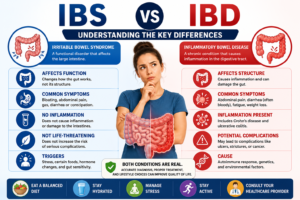
Digestive problems are becoming increasingly common due to unhealthy eating habits, stress, and changing lifestyles. Two conditions that are often confused are Irritable Bowel Syndrome (IBS) and Inflammatory Bowel Disease (IBD). Although their names sound similar and they share some symptoms, they are completely different conditions that require different approaches to treatment.
Understanding the difference between IBS and IBD can help you seek medical attention early and avoid complications. If you experience persistent digestive symptoms, consulting a gastroenterologist in surat is the best way to receive an accurate diagnosis and personalized treatment.
What is IBS?
Irritable Bowel Syndrome (IBS) is a functional digestive disorder. It affects how the intestines work but does not cause permanent damage or inflammation in the digestive tract.
People with IBS often experience digestive discomfort that comes and goes over time.
Common Symptoms of IBS
- Abdominal pain or cramping
- Bloating after meals
- Excessive gas
- Diarrhea
- Constipation
- Alternating diarrhea and constipation
- Feeling that the bowel is not completely empty
IBS symptoms often worsen during periods of stress or after consuming certain foods.
What is IBD?
Inflammatory Bowel Disease (IBD) is a chronic condition that causes inflammation inside the digestive tract. Unlike IBS, IBD can damage the intestinal lining and may lead to serious health complications if left untreated.
The two main types of IBD are:
- Crohn’s Disease
- Ulcerative Colitis
These conditions require long-term medical management and regular monitoring.
IBS vs IBD: Major Differences
Although both conditions affect the digestive system, there are several important differences.
IBS
- Functional digestive disorder
- No visible inflammation
- Does not damage the intestines
- Symptoms may improve with diet and lifestyle changes
- Usually does not require surgery
IBD
- Inflammatory autoimmune disease
- Causes damage to the digestive tract
- May lead to ulcers and bleeding
- Often requires long-term medication
- Severe cases may require surgery
Understanding these differences helps doctors recommend the most effective treatment.
Common Symptoms Shared by IBS and IBD
Both conditions may cause similar digestive complaints, including:
- Abdominal pain
- Bloating
- Changes in bowel habits
- Diarrhea
- Constipation
- Urgency to pass stool
- Fatigue
Because these symptoms overlap, medical evaluation is essential for an accurate diagnosis.
Symptoms More Common in IBD
Certain warning signs are usually associated with inflammatory bowel disease rather than IBS.
These include:
- Blood in stool
- Unexplained weight loss
- Persistent fever
- Severe abdominal pain
- Loss of appetite
- Anemia
- Ongoing fatigue
These symptoms should never be ignored because they may indicate active intestinal inflammation.
What Causes IBS?
The exact cause of IBS remains unclear, but several factors can contribute.
Common risk factors include:
- Stress and anxiety
- Poor eating habits
- Food intolerances
- Gut-brain communication problems
- Changes in gut bacteria
Many people notice symptom flare-ups after consuming spicy foods, caffeine, or fatty meals.
What Causes IBD?
IBD develops due to abnormal immune system activity that attacks the digestive tract.
Possible contributing factors include:
- Genetics
- Immune system disorders
- Environmental factors
- Smoking
- Chronic inflammation
Early diagnosis can help reduce complications and improve long-term health.
How Are IBS and IBD Diagnosed?
Doctors use different methods to distinguish IBS from IBD.
Diagnosis may include:
- Complete medical history
- Physical examination
- Blood tests
- Stool analysis
- Colonoscopy
- Endoscopy
- CT scan or MRI when necessary
Patients with persistent digestive symptoms often seek evaluation from a gastroenterologist near surat to determine the exact cause of their condition.
Treatment Options
Treatment depends entirely on the diagnosis.
IBS Treatment
Most IBS cases improve with lifestyle changes and symptom management.
Treatment may include:
- High-fiber diet
- Stress management
- Regular exercise
- Drinking adequate water
- Medications for constipation or diarrhea
- Avoiding trigger foods
IBD Treatment
IBD requires medical treatment to control inflammation.
Treatment options may include:
- Anti-inflammatory medications
- Immune-suppressing medicines
- Biologic therapy
- Nutritional support
- Regular monitoring
Some advanced cases may require gastroenterology surgical treatment if medication alone cannot control the disease.
Can Digestive Disorders Affect Liver Health?
Long-standing digestive diseases may also affect other organs, including the liver. Certain inflammatory conditions increase the risk of liver-related complications.
If liver abnormalities are suspected, patients may be referred to a dr liver specialist for additional evaluation and treatment.
When Should You Visit a Doctor?
You should not ignore digestive symptoms that continue for several weeks.
Seek medical advice if you experience:
- Frequent abdominal pain
- Persistent diarrhea
- Blood in stool
- Unexplained weight loss
- Ongoing constipation
- Severe bloating
- Continuous fatigue
- Loss of appetite
Early diagnosis often leads to better treatment outcomes and helps prevent serious complications. If symptoms become severe or require advanced medical care, visiting a trusted stomach hospital near me can provide access to specialized diagnostic and treatment services.
Tips for Maintaining a Healthy Digestive System
Healthy daily habits can significantly reduce digestive discomfort.
Follow these simple practices:
- Eat balanced meals at regular times
- Include fruits and vegetables in your diet
- Drink plenty of water
- Exercise regularly
- Limit processed foods
- Reduce stress through relaxation techniques
- Avoid smoking and excessive alcohol
- Get enough sleep every night
These lifestyle changes support overall digestive health and may reduce the frequency of digestive symptoms.
Conclusion
Although IBS and IBD share several symptoms, they are very different medical conditions. IBS affects the function of the digestive system without causing permanent damage, while IBD causes ongoing inflammation that can lead to serious complications if left untreated.
Recognizing the warning signs and seeking timely medical advice is the best way to protect your digestive health. Early diagnosis, healthy lifestyle habits, and appropriate treatment can help you manage symptoms effectively and improve your quality of life.
Frequently Asked Questions (FAQ)
Is IBS more serious than IBD?
No. IBS is generally considered less serious because it does not cause permanent damage to the digestive tract. IBD is an inflammatory disease that can lead to complications if untreated.
Can IBS turn into IBD?
No. IBS and IBD are separate medical conditions. Having IBS does not increase the chance of developing IBD.
Can stress make IBS worse?
Yes. Stress is one of the most common triggers for IBS symptoms and may increase abdominal pain, bloating, and changes in bowel habits.
Is blood in stool a symptom of IBS?
No. Blood in stool is not a typical symptom of IBS and should always be evaluated by a healthcare professional.
Can diet help manage digestive disorders?
Yes. Eating a balanced diet, staying hydrated, avoiding trigger foods, and maintaining regular meal times can improve digestive health and help reduce symptoms in many digestive conditions.
