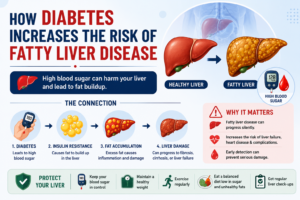
Diabetes is one of the fastest-growing health concerns worldwide, affecting millions of people every year. While most people know that diabetes can impact the heart, kidneys, and eyes, many are unaware of its strong connection with fatty liver disease. High blood sugar levels and insulin resistance can cause excess fat to build up in the liver, increasing the risk of serious liver complications.
Fatty liver disease often develops silently without noticeable symptoms during its early stages. If left untreated, it can progress to liver inflammation, fibrosis, cirrhosis, and even liver failure. Understanding this connection can help you take preventive steps and protect your long-term health.
What Is Fatty Liver Disease?
Fatty liver disease occurs when too much fat accumulates inside liver cells. Normally, the liver contains a small amount of fat, but when fat makes up more than 5% of the liver’s weight, it is considered fatty liver disease.
There are two common types:
- Non-Alcoholic Fatty Liver Disease (NAFLD)
- Alcohol-Related Fatty Liver Disease
People with Type 2 diabetes are at a much higher risk of developing Non-Alcoholic Fatty Liver Disease because of insulin resistance and metabolic imbalance.
How Does Diabetes Affect the Liver?
Diabetes affects the body’s ability to use insulin properly. When insulin resistance develops, sugar remains in the bloodstream instead of entering the cells for energy.
As a result:
- The liver converts excess sugar into fat.
- Fat gradually accumulates inside liver cells.
- Liver inflammation increases.
- Liver function becomes less efficient.
- The risk of permanent liver damage rises.
Over time, these changes may lead to serious liver diseases if blood sugar is not well controlled.
Why People with Diabetes Have a Higher Risk of Fatty Liver
Several factors make diabetic patients more vulnerable to fatty liver disease.
Common risk factors include:
- Insulin resistance
- Obesity or excess body weight
- High cholesterol levels
- High triglycerides
- Lack of physical activity
- Unhealthy eating habits
- High blood pressure
- Family history of metabolic disorders
When multiple risk factors are present together, the chances of developing fatty liver increase significantly.
Symptoms of Fatty Liver Disease
Fatty liver disease usually develops slowly, and many people experience no symptoms during the early stages.
As the condition progresses, symptoms may include:
- Constant tiredness
- Pain or discomfort in the upper right abdomen
- Feeling weak
- Loss of appetite
- Unexplained weight loss
- Difficulty concentrating
- Swelling in the abdomen in advanced stages
- Yellowing of the skin or eyes in severe liver disease
Because symptoms often appear late, regular health check-ups are essential for people with diabetes.
Complications If Left Untreated
Ignoring fatty liver disease can lead to serious health complications.
Possible complications include:
- Liver inflammation (Steatohepatitis)
- Liver fibrosis
- Cirrhosis
- Liver failure
- Increased risk of liver cancer
- Poor diabetes control
- Cardiovascular disease
Early diagnosis and proper treatment can significantly reduce these risks.
How to Prevent Fatty Liver Disease
The good news is that fatty liver disease can often be prevented or even reversed in its early stages through healthy lifestyle changes.
Follow these healthy habits:
- Keep blood sugar levels under control.
- Maintain a healthy body weight.
- Exercise for at least 30 minutes most days of the week.
- Eat a balanced diet rich in vegetables, fruits, and whole grains.
- Reduce sugary drinks and processed foods.
- Avoid excessive alcohol consumption.
- Drink enough water daily.
- Get regular liver function tests if advised by your doctor.
Small lifestyle improvements can make a big difference in protecting both your liver and overall health.
Foods That Support Liver Health
A healthy diet plays an important role in preventing fatty liver disease.
Include foods such as:
- Green leafy vegetables
- Fresh fruits
- Whole grains
- Oats
- Brown rice
- Lean proteins
- Fish rich in Omega-3 fatty acids
- Nuts and seeds
- Olive oil
- Plenty of water
Try to limit:
- Sugary beverages
- Fried foods
- Processed snacks
- Refined carbohydrates
- Fast food
- Excess sweets
Healthy eating not only supports liver function but also improves diabetes management.
When Should You Visit a Doctor?
People with diabetes should never ignore persistent digestive or liver-related symptoms.
Seek medical advice if you experience:
- Persistent fatigue
- Upper abdominal pain
- Unexplained weight loss
- Frequent digestive discomfort
- Elevated liver enzymes on blood tests
- Yellowing of the eyes or skin
- Swelling in the abdomen
If you are looking for a gastroenterologist in surat, timely evaluation can help detect liver problems before they become serious. Consulting a dr liver specialist is especially important for people with diabetes who have abnormal liver reports or ongoing digestive concerns. Individuals searching for a gastroenterologist near surat should choose a specialist who can provide comprehensive digestive and liver care. If severe digestive symptoms develop, visiting a trusted stomach hospital near me may be the right step for prompt diagnosis and treatment.
Conclusion
Diabetes and fatty liver disease are closely connected, primarily due to insulin resistance and unhealthy metabolic changes. Many people do not realize they have fatty liver until the condition becomes advanced, making regular health check-ups extremely important.
By maintaining healthy blood sugar levels, exercising regularly, eating nutritious foods, and managing body weight, you can significantly lower your risk of fatty liver disease. Early diagnosis and timely medical care can prevent long-term liver damage and improve your overall quality of life.
Frequently Asked Questions (FAQ)
Can diabetes cause fatty liver disease?
Yes. Diabetes, especially Type 2 diabetes, increases the risk of fatty liver because insulin resistance causes excess fat to accumulate in the liver.
Is fatty liver reversible?
Yes. In its early stages, fatty liver disease can often be reversed through healthy eating, weight loss, regular exercise, and proper blood sugar control.
What foods should diabetic patients avoid to protect the liver?
Try to avoid:
- Sugary drinks
- Fried foods
- Processed snacks
- Fast food
- Excess sweets
- Refined carbohydrates
How is fatty liver diagnosed?
Doctors may recommend:
- Liver function blood tests
- Ultrasound scan
- FibroScan
- CT scan or MRI (if required)
- Liver biopsy in selected cases
Can fatty liver become serious?
Yes. If left untreated, fatty liver disease can progress to liver inflammation, fibrosis, cirrhosis, liver failure, and even liver cancer. Early diagnosis greatly improves treatment outcomes.
