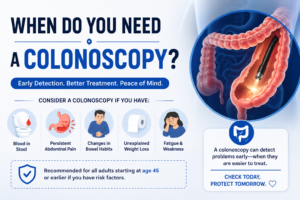
A colonoscopy is one of the most effective procedures for detecting and preventing diseases of the large intestine (colon) and rectum. It allows doctors to examine the inner lining of the colon using a thin, flexible tube with a small camera attached. The procedure helps identify conditions at an early stage, often before symptoms become severe.
Many people avoid getting a colonoscopy because they believe it is only necessary when they experience pain or discomfort. However, regular screening can help detect polyps, inflammation, ulcers, and even colorectal cancer before they become life-threatening.
If you have persistent digestive symptoms or a family history of colon diseases, your doctor may recommend a colonoscopy as part of your healthcare plan.
What Is a Colonoscopy?
A colonoscopy is a diagnostic procedure used to examine the entire large intestine and rectum. During the procedure, a gastroenterologist carefully checks for abnormalities and may remove small polyps or collect tissue samples (biopsies) for further testing.
A colonoscopy can help diagnose:
- Colon polyps
- Colorectal cancer
- Inflammatory bowel disease (IBD)
- Ulcerative colitis
- Crohn’s disease
- Rectal bleeding
- Chronic constipation
- Chronic diarrhea
Early detection through colonoscopy often leads to better treatment outcomes.
Signs You May Need a Colonoscopy
Although screening is recommended for many healthy adults after a certain age, some symptoms should never be ignored.
You may need a colonoscopy if you experience:
- Persistent abdominal pain
- Blood in the stool
- Ongoing constipation
- Chronic diarrhea
- Unexplained weight loss
- Frequent bloating
- Changes in bowel habits
- Iron deficiency anemia without a clear cause
These symptoms may indicate digestive disorders that require medical evaluation.
Who Should Get a Colonoscopy?
Certain individuals have a higher risk of developing colon diseases and should undergo regular screening.
A colonoscopy is generally recommended for:
- Adults aged 45 years and above
- Individuals with a family history of colorectal cancer
- People with previous colon polyps
- Patients suffering from inflammatory bowel disease
- Individuals experiencing long-term digestive symptoms
- People with unexplained gastrointestinal bleeding
Your doctor will recommend the appropriate screening schedule based on your medical history and risk factors.
How to Prepare for a Colonoscopy
Proper preparation is essential for obtaining accurate results. A clean colon allows the doctor to clearly examine the intestinal lining.
Preparation usually includes:
- Following a clear liquid diet before the procedure
- Taking prescribed bowel-cleansing medication
- Drinking plenty of fluids
- Avoiding solid foods as instructed
- Informing your doctor about current medications
Following these instructions carefully helps improve the quality of the examination.
What Happens During the Procedure?
A colonoscopy is usually performed under mild sedation, making the procedure comfortable for most patients.
During the examination:
- You lie comfortably on your side.
- A flexible tube with a camera is gently inserted into the rectum.
- The doctor examines the entire colon.
- Polyps can be removed immediately if found.
- Tissue samples may be collected for laboratory analysis.
The procedure generally takes between 20 and 45 minutes.
Benefits of a Colonoscopy
A colonoscopy is not only a diagnostic test but also a preventive procedure.
Its major benefits include:
- Early detection of colorectal cancer
- Removal of precancerous polyps
- Accurate diagnosis of digestive diseases
- Investigation of unexplained abdominal symptoms
- Prevention of serious complications
- Improved long-term digestive health
Regular screening significantly reduces the risk of advanced colorectal cancer.
Conditions That Can Be Detected
A colonoscopy helps diagnose several digestive conditions, including:
- Colon cancer
- Rectal cancer
- Colon polyps
- Diverticular disease
- Crohn’s disease
- Ulcerative colitis
- Intestinal inflammation
- Internal bleeding
- Benign growths
Detecting these conditions early allows treatment to begin before complications develop.
Tips to Maintain a Healthy Colon
Good lifestyle habits play an important role in maintaining colon health.
Simple preventive measures include:
- Eat a fiber-rich diet
- Drink enough water daily
- Exercise regularly
- Maintain a healthy body weight
- Limit processed and red meat consumption
- Avoid smoking
- Reduce alcohol intake
- Do not ignore persistent digestive symptoms
Healthy habits combined with regular medical screening help lower the risk of digestive diseases.
When Should You Consult a Specialist?
You should not delay medical evaluation if digestive symptoms continue for several weeks. Early diagnosis often leads to better treatment and faster recovery.
If you experience persistent digestive concerns, consulting a gastroenterologist in surat can help identify the underlying cause and recommend appropriate treatment. Some patients with liver-related digestive problems may also benefit from evaluation by a dr liver specialist. Individuals searching for a gastroenterologist near surat should choose an experienced specialist for accurate diagnosis and comprehensive digestive care. If symptoms become severe or require advanced medical attention, visiting a trusted stomach hospital near me can provide timely investigation and treatment.
Conclusion
A colonoscopy is one of the most valuable tools for protecting your digestive health. It helps detect serious conditions such as colorectal cancer, inflammatory bowel disease, and colon polyps before they become life-threatening.
Many digestive diseases develop silently, making regular screening especially important for people over 45 years of age or those with ongoing digestive symptoms. Maintaining a healthy lifestyle, recognizing warning signs, and seeking medical advice when necessary can greatly improve long-term digestive health.
Early diagnosis saves lives, and a timely colonoscopy can provide peace of mind while helping prevent serious complications.
Frequently Asked Questions (FAQ)
Is a colonoscopy painful?
No. Most patients receive mild sedation, making the procedure comfortable with little or no pain.
At what age should I get my first colonoscopy?
Most adults should begin routine colorectal cancer screening at age 45, although individuals with higher risk factors may need earlier screening.
How long does a colonoscopy take?
The procedure usually takes between 20 and 45 minutes, while recovery from sedation may require a short observation period.
Can a colonoscopy detect cancer?
Yes. A colonoscopy can identify colorectal cancer in its early stages and also detect precancerous polyps that can be removed before they develop into cancer.
How often should a colonoscopy be repeated?
The frequency depends on your age, medical history, family history, and previous findings. Your doctor will recommend the appropriate screening interval after evaluating your individual risk factors.
